
ISO 9001 Certification Arusha: Where Better Processes Begin
Walk into almost any growing business in Arusha and you’ll find the same quiet problem. The work gets done, but it depends on a handful of people who “just know how things work”. ISO 9001 Certification Arusha businesses are pursuing is really about fixing that, and our ISO 9001 quality management services are built around turning that hidden know-how into processes anyone on the team can follow.
When one of those people is off sick, or leaves for a competitor, orders slip and customers notice. A safari booking gets muddled, a batch of coffee misses its shipping window, or a client waits a week for a quote that should have taken a day.
Below, we’ll look at what ISO 9001 actually changes inside a business, which Arusha sectors gain the most, and what the path to certification looks like.
What ISO 9001 Really Asks of a Business
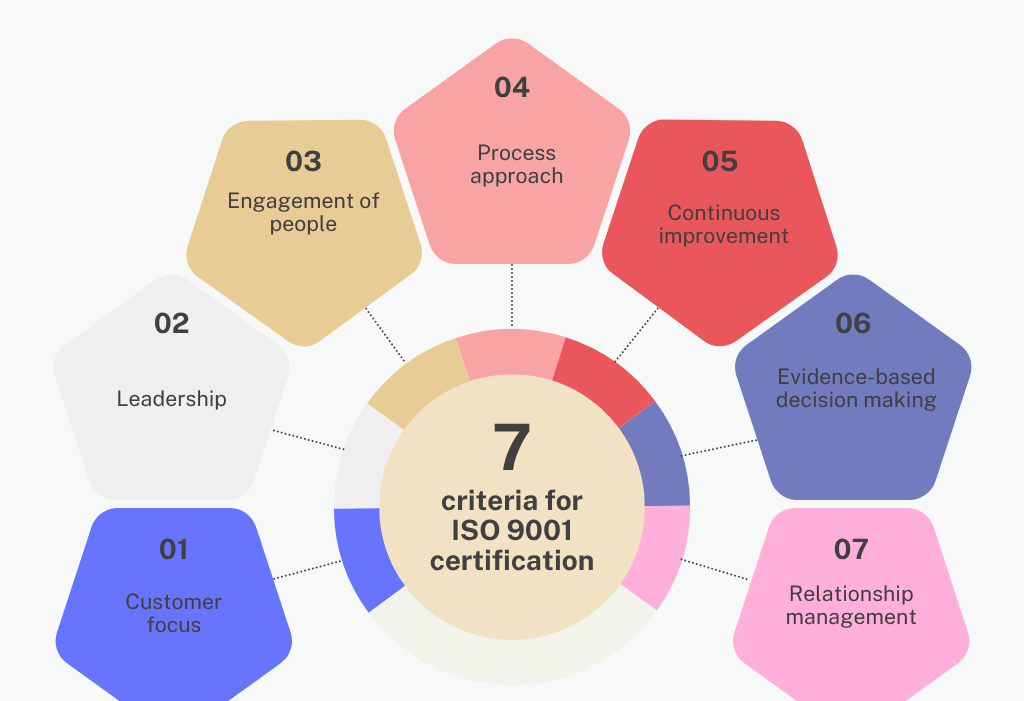
ISO 9001:2015 is the world’s most widely used standard for quality management. It sets out the requirements for a Quality Management System, or QMS, which is simply the set of processes, responsibilities and records a business uses to deliver consistently.
It doesn’t tell you how to run a lodge or a factory. Instead, it asks you to show that you’ve thought these things through:
- Who your customers are and what they actually expect from you.
- Which processes deliver that, and how they connect with each other.
- What could go wrong (the standard calls this risk-based thinking) and what you’re doing about it.
- How you measure performance, beyond gut feel.
- How complaints, mistakes and near-misses feed back into improvements.
If you’d like the basics first, our explainer on what a QMS system is and why it matters is a good starting point.
How ISO 9001 Improves Day-to-Day Business Processes
The certificate on the wall gets the attention. The real value, though, shows up in how work moves through the business every day.
Clear Processes Replace Guesswork
Mapping your processes forces a useful conversation about who does what, in what order, and what “done” looks like. Most teams discover steps that nobody owns, and a few that nobody needs.
- New staff get up to speed faster because the steps are written down.
- Handovers between departments stop falling through the cracks.
- Managers spend less time firefighting and more time planning.
Decisions Based on Evidence
ISO 9001 expects you to track a few meaningful measures, such as on-time delivery, complaint numbers or rework rates. Once those numbers are visible, it’s much harder for recurring problems to hide behind anecdotes.
Fewer Repeat Mistakes
The corrective action process asks a simple question each time something goes wrong: why did this happen, and what stops it happening again? Over a year or two, that habit cuts waste, refunds and awkward customer calls quite noticeably.
Stronger Supplier Control
Many Arusha businesses rely on outside suppliers for vehicles, packaging, raw produce or transport to Dar es Salaam and Mombasa. ISO 9001 asks you to evaluate and monitor those suppliers, so a weak link doesn’t quietly damage your own reputation.
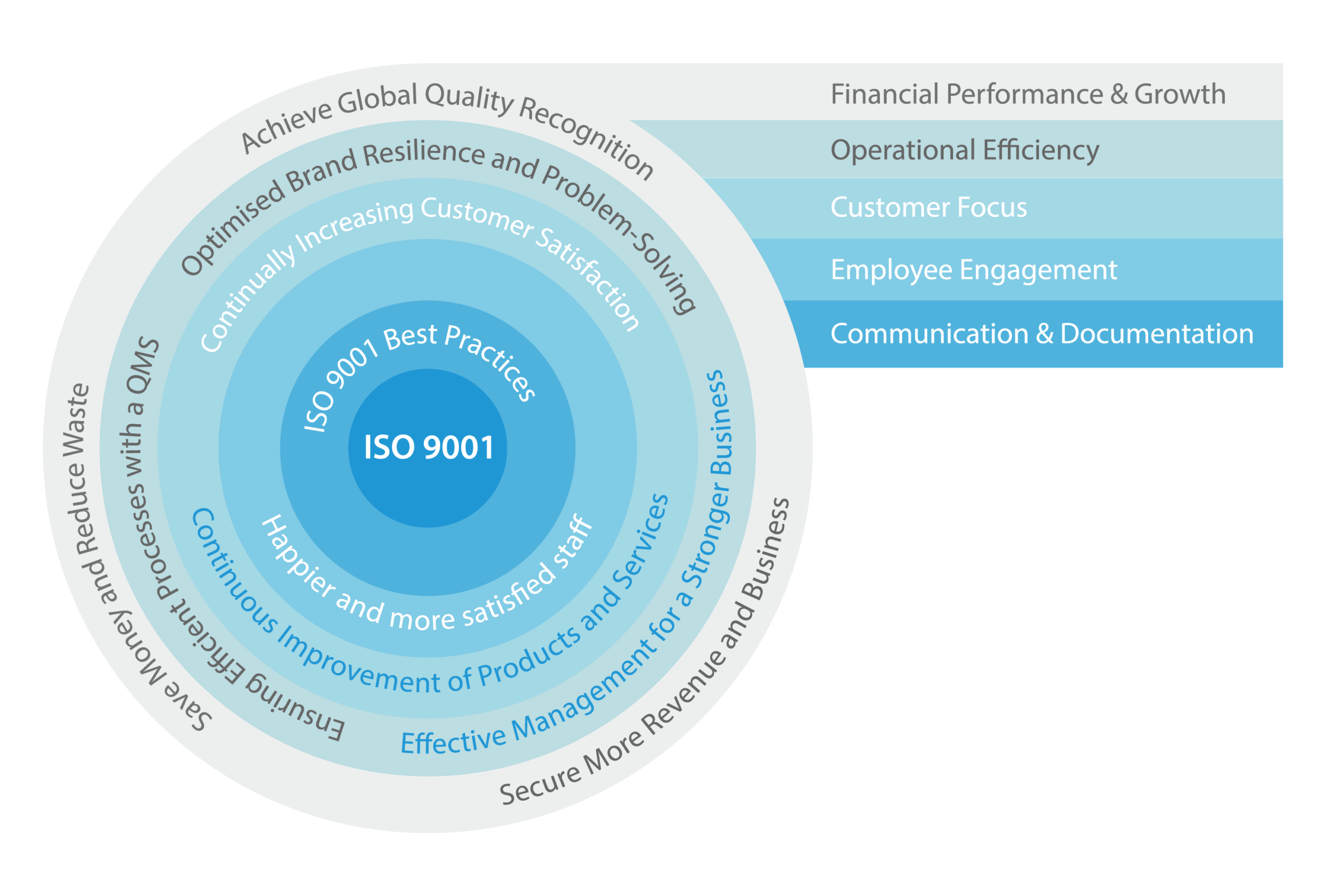
Why ISO 9001 Certification in Arusha Matters Right Now
Arusha isn’t a small regional town any more. It hosts the headquarters of the East African Community, draws visitors heading to the Serengeti and Kilimanjaro, and sits at the centre of a busy trade in coffee, flowers, horticulture and tanzanite.
That mix brings pressure from bigger buyers, and ISO 9001 Certification Arusha firms hold is increasingly how they answer it:
- Tender boards and development partners often list ISO 9001 as a requirement or a scoring advantage.
- European and Middle Eastern buyers of flowers, coffee and fresh produce want proof of consistent quality.
- International tour agents prefer local partners with reliable, documented service standards.
- Regional expansion into Kenya, Uganda and Rwanda is easier with a recognised quality credential.
Before and After ISO 9001: A Practical Comparison
Here’s how typical business processes tend to look before a QMS is in place, and how they change once ISO 9001 is properly working:
| Business Area | Without ISO 9001 | With ISO 9001 Certification |
|---|---|---|
| Processes | Held in people’s heads, done differently by each person | Documented, agreed and followed consistently |
| Customer complaints | Handled case by case, then forgotten | Logged, analysed and used to fix root causes |
| Performance tracking | Based on impressions and month-end surprises | Clear measures reviewed by management |
| Suppliers | Chosen on price or habit | Evaluated and monitored against set criteria |
| Staff training | Informal shadowing, with gaps nobody notices | Competence defined, training recorded |
| Winning tenders | Hard to prove quality to new clients | Internationally recognised certificate from an accredited body |
Arusha Sectors That Gain the Most
ISO 9001 fits any organisation, whatever its size. In and around Arusha, these sectors usually see the quickest return:
- Tour operators and hotels: consistent guest experiences, fewer booking errors and smoother vehicle maintenance.
- Coffee, flower and horticulture exporters: traceable handling from farm to shipment, which overseas buyers increasingly expect.
- Manufacturers and processors: less rework, better batch control and fewer rejected orders.
- Construction and engineering firms: stronger project control and a better chance at public tenders.
- NGOs and service providers: clearer accountability to donors and partners.
Smaller businesses sometimes assume the standard is only for large companies. In practice, a 20-person firm can run a lean QMS that takes very little admin once it’s set up.
Common Mistakes Arusha Businesses Should Avoid
We see the same few slip-ups again and again. Most are easy to avoid if you know about them early:
- Buying a ready-made document pack that describes somebody else’s business, not yours.
- Leaving the whole project to one quality officer while senior management stays hands-off.
- Writing procedures nobody reads, then wondering why staff don’t follow them.
- Treating certification as the finish line and letting the system gather dust until the next audit.
Honestly, the businesses that get the most out of ISO 9001 are the ones that treat it as a way of running the company, not a certificate to chase. The audit then becomes a formality rather than a stressful exam.
The Road to ISO 9001 Certification
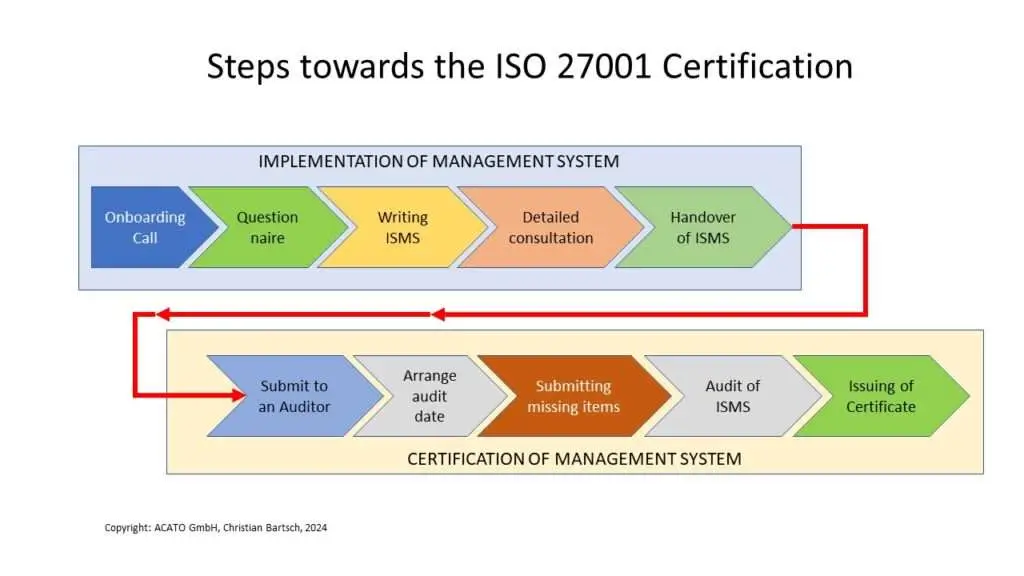
Most projects follow a similar sequence, usually over three to six months:
- A gap analysis comparing your current way of working with the standard.
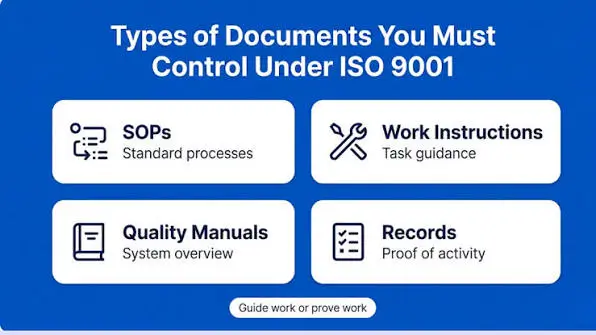
- Process mapping and writing the documents you actually need, not a mountain of paper.
- Training staff so the system is understood, not just filed away.
- Running the system for a few months and collecting records.
- An internal audit and management review.
- The external two-stage certification audit by an accredited certification body.
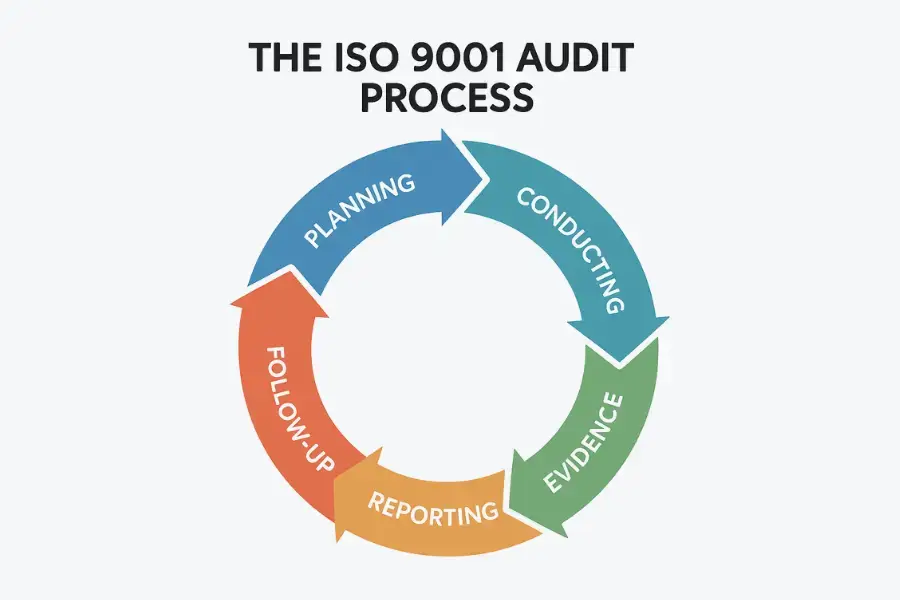
Our guide to ISO certification audit stages explains what happens at each audit visit. It’s also worth checking the list of documents required for ISO certification early, since preparation is where most time is saved.
If you’re unsure who does what, our article on ISO consultant vs certification body clears up the difference. For Tanzanian businesses, our ISO consultants in East Africa can support you on site and remotely.
A Foundation for Other Standards
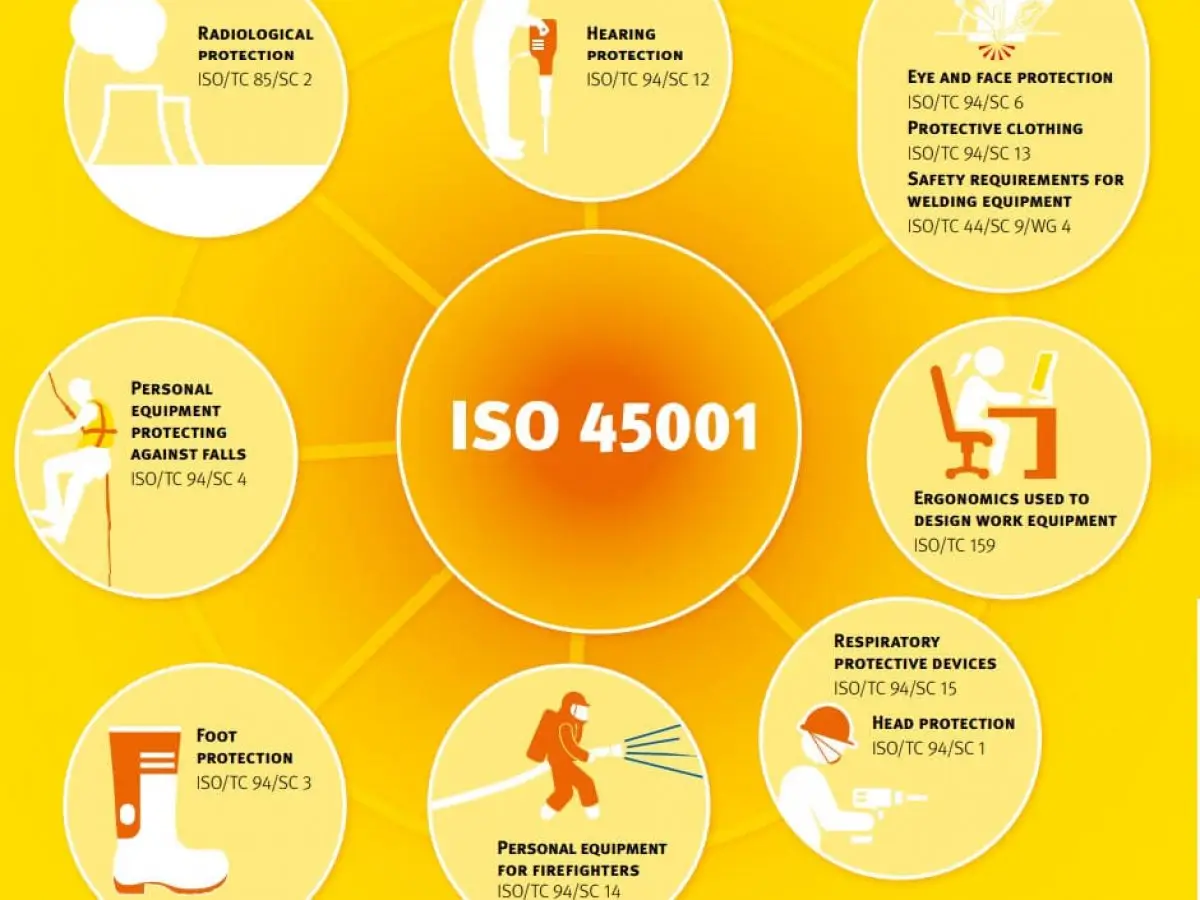
ISO 9001 shares the same structure as ISO 14001 environmental management and ISO 45001 occupational health and safety. Once your QMS is running, adding either one is far quicker, because document control, internal audits and management reviews carry straight over.
That’s why many firms treat ISO 9001 as step one. Our piece on ISO 9001 as the starting point for certification covers this in more detail.
Frequently Asked Questions
Is ISO 9001 mandatory in Tanzania?
No, it’s voluntary. However, many tenders, export buyers and large clients ask for it, so it often becomes a commercial necessity rather than a legal one.
How long does certification take?
For most small and medium businesses, three to six months is realistic. Firms with good existing records can sometimes move faster.
Does ISO 9001 create a lot of paperwork?
It doesn’t have to. The 2015 version is far more flexible than older editions, and a sensible QMS only documents what genuinely helps the business run well.
Final Thoughts
Good businesses in Arusha already care about quality. What ISO 9001 adds is a system that keeps that quality steady as you grow, hire and take on bigger clients. ISO 9001 Certification Arusha companies achieve pays off twice: once in smoother daily operations, and again when you’re competing for the next big contract.
- Processes stop depending on a few key people.
- Mistakes get fixed at the root instead of repeated.
- Clients, buyers and tender boards get independent proof of your standards.
Ready to Improve How Your Business Runs?
AceQu helps organisations in Arusha and across East Africa build practical quality management systems and achieve ISO 9001 certification without unnecessary paperwork. Book a free consultation and find out how close you already are.
Talk to Our ISO 9001 TeamFor the standard’s official summary, see ISO’s page on ISO 9001:2015. Tanzania’s national standards body, the Tanzania Bureau of Standards, also provides guidance on quality and certification.