

What Is a QMS System, and Why Does It Matter for Certification?
UK English · Est. reading time 6 minutes
A consultant tells you your QMS system needs work before you can go for certification. A different consultant, on a different call, tells you your QMS is fine and you just need to book the audit. Both are talking about the same three letters, and both might be right — because "QMS" gets used loosely enough that it's worth pinning down exactly what it means before you spend money based on someone else's definition of it.
So here's the plain version: what a QMS system actually is, how it connects to the ISO standards that get certified against it, and why the two things — having a QMS and holding a certificate — are related but genuinely not the same.
What a QMS System Actually Is
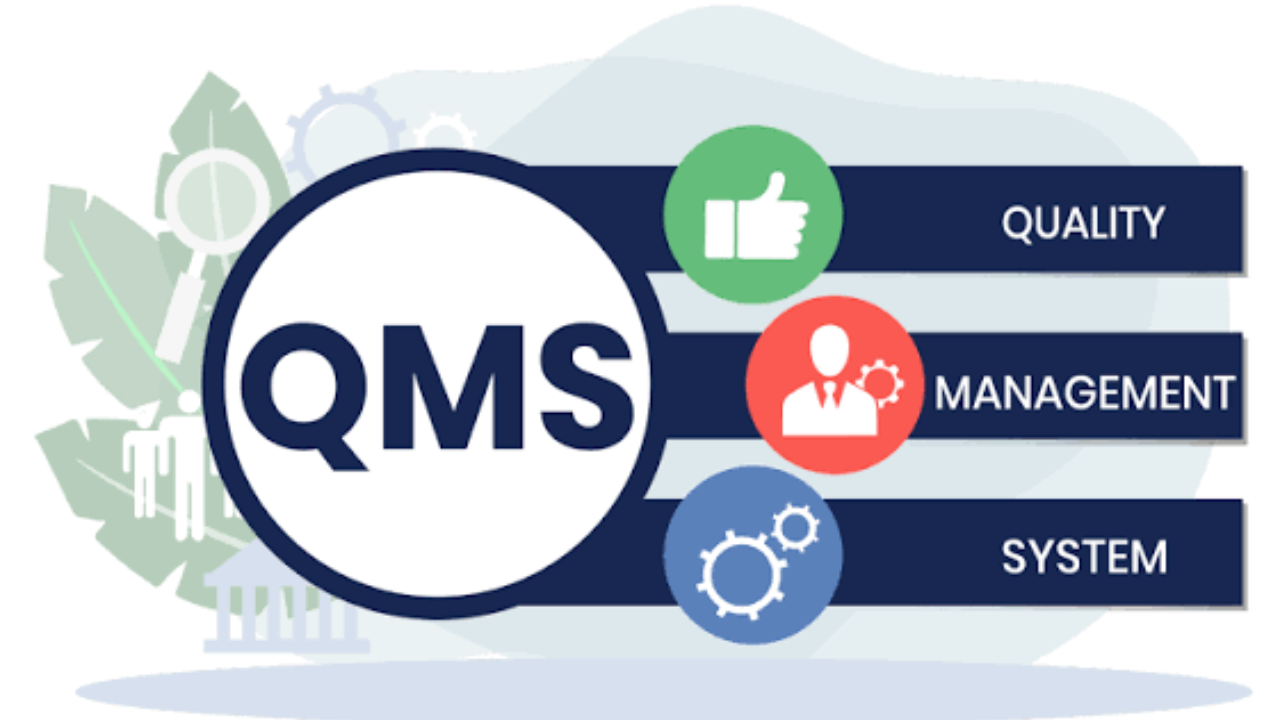
A quality management system is the set of processes, documentation and responsibilities your business already runs on, whether or not anyone's written it down. Every business has a version of it — the question is whether it's formalised or just living in people's heads.
A formal QMS puts structure around four things: how work gets done, how you know it was done properly, what happens when it wasn't, and how that feeds back into doing it better next time. None of that requires certification. A lot of businesses run a genuinely solid QMS with no intention of ever being audited against it.
How a QMS System Supports ISO 9001, 14001 and 45001
Certification is where the QMS stops being purely internal and starts being measured against an external standard. The three most common ones ask the same underlying system to do different jobs.
| Standard | What It Adds to the QMS | Typical Trigger for Pursuing It |
|---|---|---|
| ISO 9001 | Requirements around customer satisfaction, product/service consistency, and continual improvement built into the QMS | Client or tender requirement; scaling past the point informal processes hold up |
| ISO 14001 | Environmental risk and impact management layered onto the same QMS structure | Regulatory pressure, or clients requiring evidence of environmental management |
| ISO 45001 | Occupational health and safety risk controls, incident reporting and worker consultation added to the system | Physical or site-based operations with real workplace risk |
Businesses rarely build three separate systems for three standards. The more common approach is one integrated QMS — the same core structure of documented processes, internal audits and management review — with standard-specific requirements added on top as needed. A business already certified to ISO 9001 is usually most of the way to adding 14001 or 45001, because the underlying system is doing most of the same work already.
Manual vs Software-Based QMS Setups
Neither approach is inherently better for certification purposes — auditors care whether the system works, not what it's built on. But the right choice depends on where your business actually is.
| Manual QMS (documents, spreadsheets) | Software-Based QMS | |
|---|---|---|
| Best suited to | Smaller teams, a handful of core processes, single site | Multiple sites, larger teams, frequent non-conformance tracking |
| Upfront cost | Low — mostly staff time | Higher — licensing plus setup and training |
| Ongoing effort | Requires discipline to keep documents current | Automated reminders and version control reduce drift |
| Common failure mode | Documents go stale and stop reflecting real practice | Expensive system bought before the processes it manages actually exist |
The second failure mode in that table is worth taking seriously. Software doesn't create a QMS — it manages one that already exists. Buying a platform before your processes are properly defined tends to produce a well-organised record of a system that isn't actually being followed.
Why Having a QMS Doesn't Automatically Mean You're Certified
This is the confusion that started this article, so it's worth being direct about it. A QMS is something your business has. Certification is something an accredited, independent certification body confirms — after auditing that QMS against the specific standard's requirements.
You can have a strong, functioning QMS and choose never to certify it. You can also have documentation that looks complete on paper and still fail an audit, if what's written down doesn't match what actually happens day to day. Certification tests the second thing far more than the first.
What This Means for Your Certification Budget
The state of your existing QMS is one of the biggest variables in what certification actually costs. A business with documented, followed processes usually moves through gap assessment and implementation faster, because less of the work is starting from a blank page. A business with no QMS at all is effectively paying to build the system and get it certified in the same project.
If cost is the question you're actually trying to answer, ISO certification cost breaks down where that money typically goes and what moves the number up or down. (Editorial note: confirm this links to the final Cluster 2 pillar URL once published — currently pointing to the closest live equivalent.)
AceQu works with businesses at both stages — building a QMS from scratch, or reviewing one that already exists before it goes in front of an auditor. Get in touch for a straightforward read on where yours stands.
Frequently Asked Questions
Is a QMS system the same as ISO 9001?
No. A QMS is the actual system of processes and documentation your business runs on. ISO 9001 is a standard that defines what a QMS needs to include for it to be certifiable. You can have a QMS without ISO 9001; you can't have ISO 9001 without a QMS.
Can one QMS support more than one ISO standard?
Yes. Many businesses build a single integrated management system that covers ISO 9001, 14001 and 45001 together, since the core structure is shared across all three, with standard-specific requirements layered on top.
Do I need QMS software, or can I manage it manually?
Either can be certified. Smaller businesses often manage a QMS manually through shared documents and spreadsheets. Software becomes worth the cost once you're tracking actions and records across multiple sites or teams, and manual tracking starts breaking down.
Does having a QMS mean I'm already ISO certified?
No. A QMS is the internal system. Certification is an independent, external confirmation that your QMS meets a specific standard, carried out by an accredited certification body after a formal audit.
How does the state of my QMS affect ISO certification cost?
A business with an existing, well-run QMS usually spends less on certification, since less implementation work is needed before the audit. A business starting from nothing typically pays more in consultancy time to build the system from scratch.
For the standard's own description of what a quality management system needs to cover, iso.org's overview of quality management principles is the primary source behind the 9001 requirements referenced above.