
ISO 27001 Certification Kisumu: Why Local Businesses Can’t Ignore It
A Kisumu SACCO opens its member portal one Monday morning and finds half the records locked behind a ransom note. Nobody is quite sure who had admin access, where the last clean backup is, or whether members need to be told. It’s the kind of week an ISO 27001 information security management system is designed to prevent, or at least make far less painful.
That’s why ISO 27001 Certification Kisumu businesses are asking about has moved from an IT wish list to a boardroom conversation. Banks, hospitals, logistics firms and even agribusinesses around the lake now hold customer data worth protecting, and clients want proof that it’s handled properly.
Below, we’ll cover what the standard asks for, why Kisumu organisations in particular should pay attention, and what the road to certification looks like.
What ISO 27001 Actually Asks You to Do
ISO/IEC 27001:2022 sets out the requirements for an Information Security Management System, or ISMS. It isn’t a firewall or a piece of software. It’s a structured way of finding out what information you hold, what could go wrong with it, and what you’re doing about it.
In day-to-day terms, the standard expects you to:
- List your information assets, from customer databases and payroll files to laptops and cloud accounts.
- Run a risk assessment that weighs how likely each threat is and how much damage it would do.
- Choose and apply controls from the standard’s Annex A, covering access control, supplier security, backups, incident response and more.
- Write clear policies and make sure staff actually follow them.
- Check the system through internal audits and management reviews, then fix what isn’t working.
Everything rests on three principles: confidentiality, integrity and availability. Only the right people see the data, the data stays accurate, and it’s there when you need it. If you’d like a fuller primer first, our guide on what ISO 27001 is and how it works walks through the basics.
Why Kisumu Businesses Face Growing Information Risks
Kisumu is Kenya’s third-largest city and a trading hub for western Kenya and the wider Lake Victoria region. That growth has brought more digital services, and with them, more exposure.
The Local Picture
- Banks, SACCOs and microfinance lenders handle thousands of member records and mobile money transactions every day.
- Hospitals and clinics keep sensitive patient files, often on shared systems with patchy access controls.
- Logistics and freight firms linked to the lake port and cross-border routes to Uganda and Tanzania rely on shared shipment data.
- Universities and colleges in and around the city manage student, staff and research data.
- Sugar, fish processing and agribusiness exporters now face data checks from overseas buyers.
The Legal Pressure
Kenya’s Data Protection Act, 2019 requires organisations to protect personal data with suitable technical and organisational measures. The Office of the Data Protection Commissioner has already issued penalty notices to businesses that fell short.
ISO 27001 doesn’t automatically make you compliant with the Act. It does, however, give you a tested framework to show you’ve taken security seriously, which is exactly what a regulator or an angry client will ask about.
The Real Benefits of ISO 27001 Certification in Kisumu
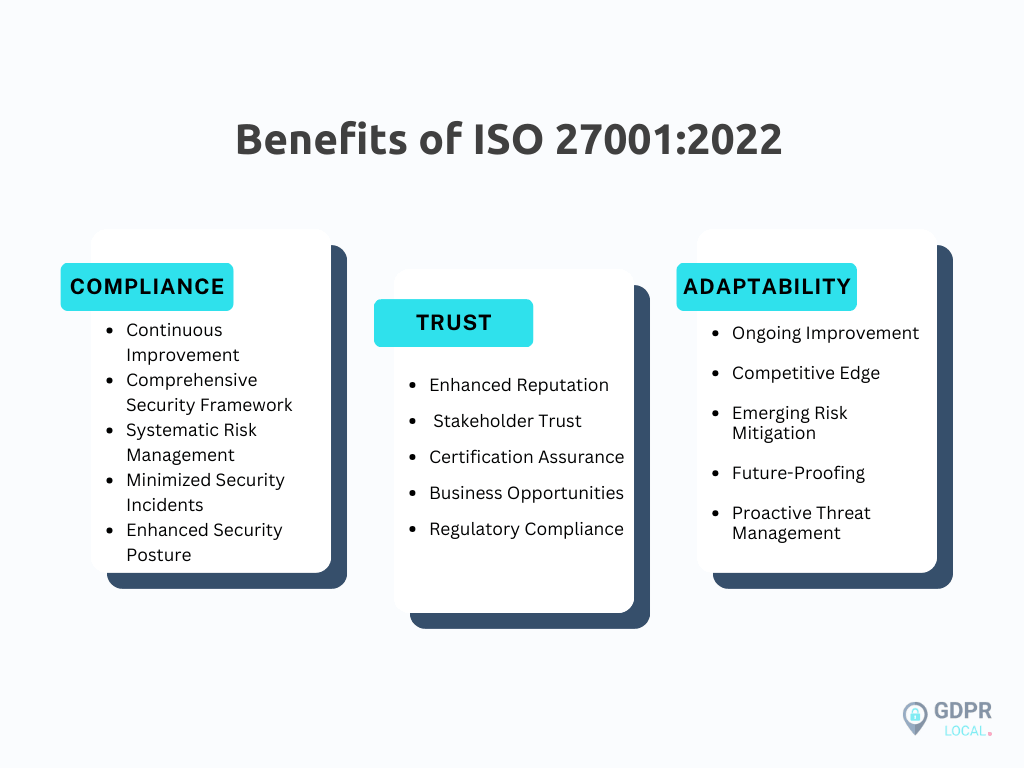
Plenty of firms say they “take security seriously”. Certification is how you prove it, because an independent auditor checks that the system works in practice and not just on paper.
Winning Tenders and Bigger Clients
County government contracts, NGOs, banks and international buyers increasingly ask suppliers for evidence of information security. An ISO 27001 certificate often ticks that box in a single line, where a firm without one might need pages of explanation.
Fewer Incidents, Faster Recovery
- Access rights get reviewed, so ex-employees don’t keep logins for months.
- Backups are tested, so you find out they work before you need them.
- Staff learn to spot phishing emails and fake M-Pesa messages.
- There’s a clear incident plan, so people know who to call when something goes wrong.
Customer Trust
Members, patients and business clients are more aware of data breaches than they were five years ago. A recognised certificate is a simple, visible signal that their information is in careful hands.
Basic IT Security vs ISO 27001 Certified ISMS
Many Kisumu businesses already have antivirus and a firewall. Here’s how that compares with a certified system:
| Area | Basic IT Security | ISO 27001 Certified ISMS |
|---|---|---|
| Responsibility | Left to the IT person or an outside technician | Top management accountable, with roles defined across the business |
| Focus | Mainly technology, such as antivirus and firewalls | People, processes, suppliers and technology together |
| Risk management | Fixes problems as they appear | Formal risk assessment and treatment plan, reviewed regularly |
| Staff awareness | Occasional reminders, if any | Planned training with records kept |
| Data protection law | Hard to show what measures are in place | Documented controls that support Data Protection Act compliance |
| Proof for clients | Verbal assurance | Accredited certificate, checked every year in surveillance audits |
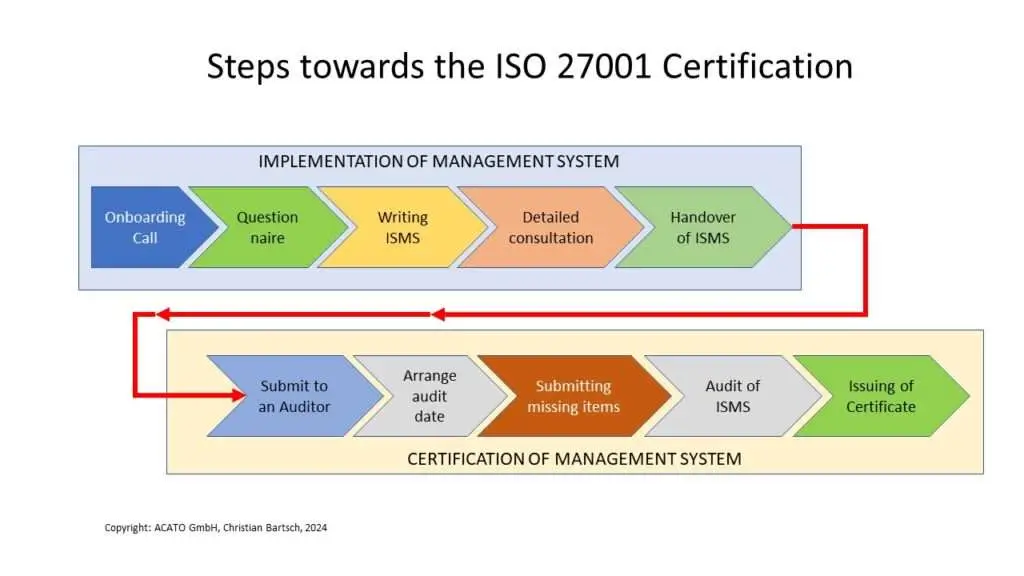
What the Certification Journey Looks Like
Every project is shaped by the size and complexity of the organisation. Most, though, follow a similar path:
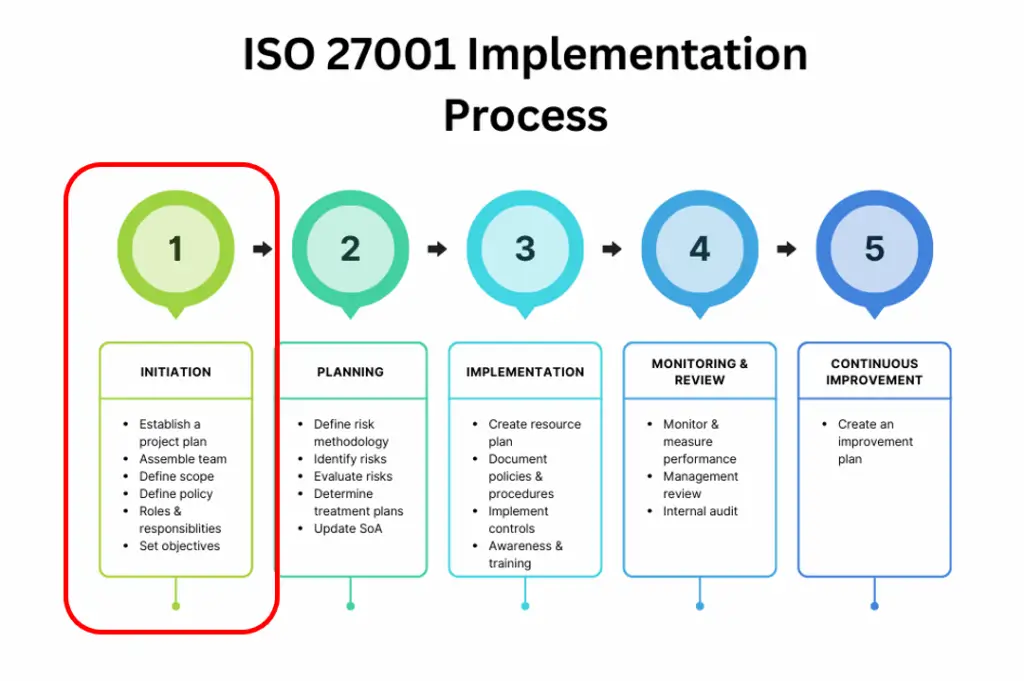
- A gap analysis to compare your current practices with the standard.
- Defining the scope, meaning which sites, systems and teams the ISMS will cover.
- A risk assessment and a Statement of Applicability listing the controls you’ll use.
- Writing policies, putting controls in place and training staff.
- An internal audit and management review to confirm it all works.
- The two-stage external audit by an accredited certification body.
Our overview of ISO certification audit stages explains what auditors look for at each step. Before you begin, our checklist of documents required for ISO certification will help you prepare.
Most Kisumu organisations take three to six months, depending on how much is already in place. For budgeting, our breakdown of ISO certification cost in Kenya covers the factors that move the figure.
Consultant or Certification Body: Who Does What?
This trips up a lot of first-time applicants. A consultant helps you build and prepare the ISMS. A certification body carries out the independent audit and issues the certificate. The same organisation can’t do both for you, as that would compromise the audit’s independence.
Our article on ISO consultant vs certification body explains the split in more detail. It’s worth reading before you ask for quotes.
It Fits With Standards You May Already Have
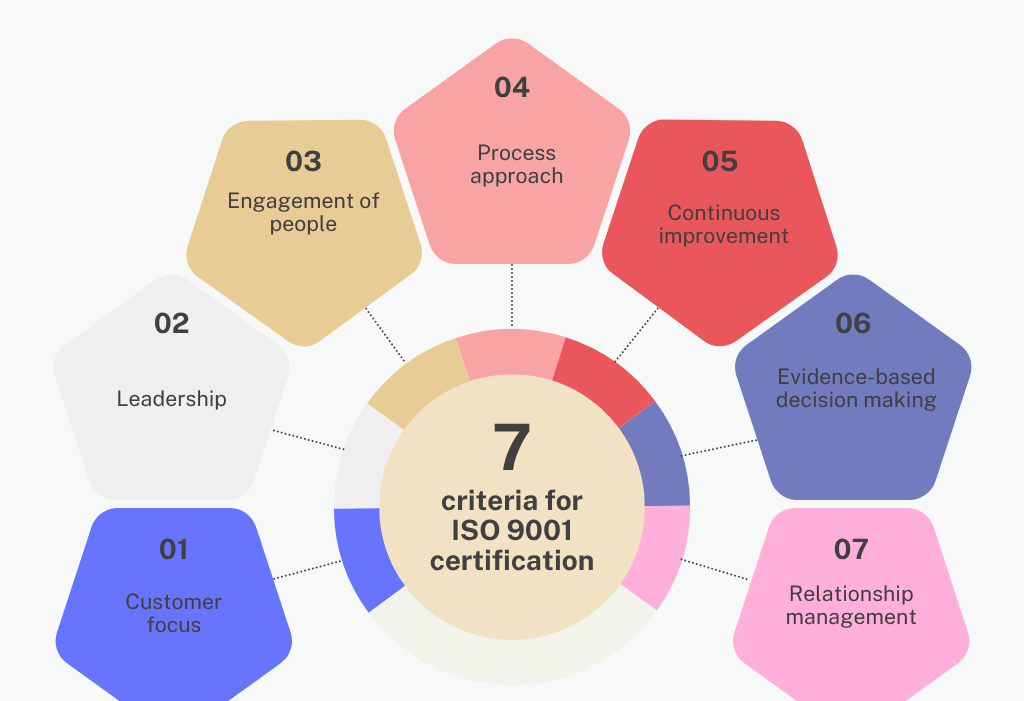
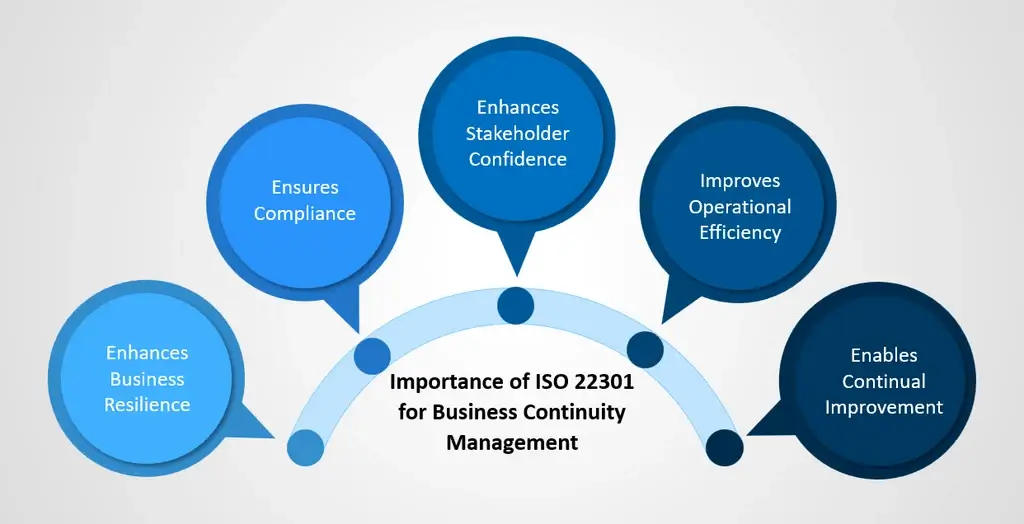
ISO 27001 shares its high-level structure with ISO 9001 quality management and ISO 22301 business continuity. If you already hold one, your document control, internal audits and management reviews carry straight across, which can shorten the project by weeks.
Common Mistakes to Avoid
We see the same slip-ups again and again with first-time projects. Most of them are easy to avoid if you know about them early:
- Treating it as an IT project only. Security failures usually involve people and processes, so HR, finance and operations need to be involved from day one.
- Copying template policies that don’t match how the business really works. Auditors notice quickly, and staff ignore rules that don’t fit their jobs.
- Setting the scope too wide at the start. It’s often smarter to certify your core systems first and expand later.
- Forgetting suppliers. Your IT provider, cloud host or payroll bureau may hold your data, so their security matters too.
- Letting things slide after the certificate arrives. Annual surveillance audits will pick up on any drift.
If your team is stretched, bringing in outside help can save time. Our piece on why hiring ISO consultants can speed up certification explains where that support pays off most.
Frequently Asked Questions
Is ISO 27001 only for IT companies?
No. Any organisation that handles sensitive information can benefit, including SACCOs, hospitals, schools, law firms and exporters.
Does ISO 27001 make us compliant with the Data Protection Act?
Not on its own, but it covers much of the ground. Many of the controls the Act expects, such as access management and incident response, are built into the standard.
Can a small Kisumu business get certified?
Yes. The ISMS is scaled to your size and risks, so a 20-person firm won’t need the same setup as a regional bank.
Final Thoughts
Data breaches, ransomware and tighter data laws aren’t going away. ISO 27001 Certification Kisumu organisations invest in today gives them a clear, tested way to protect information and show clients they can be trusted with it.
- It turns security from guesswork into a managed, audited system.
- It supports compliance with Kenya’s Data Protection Act.
- It helps you win tenders and keep clients who expect proof.
Ready to Protect Your Business Information?
AceQu helps organisations in Kisumu and across East Africa plan, build and certify ISO 27001 information security systems, from the first gap analysis to the final audit. Book a free consultation and find out how close you already are.
Talk to Our ISO 27001 TeamFor the official description of the standard, see ISO’s page on ISO/IEC 27001.