

ISO 22301 Certification Dar es Salaam: Keeping Your Business Running When Things Go Wrong
There’s a moment every business owner in Dar es Salaam knows well. The power cuts mid-afternoon. The supplier goes quiet for three days. A key staff member leaves without warning. Suddenly, operations that looked solid on paper are wobbling badly — and there’s no written plan to fall back on.
Most businesses survive these moments by improvising. Some don’t. And in both cases, the recovery costs far more — in time, money, and client confidence — than a proper continuity plan would have.
That’s the problem ISO 22301 Certification Dar es Salaam is built to solve.
What is ISO 22301?
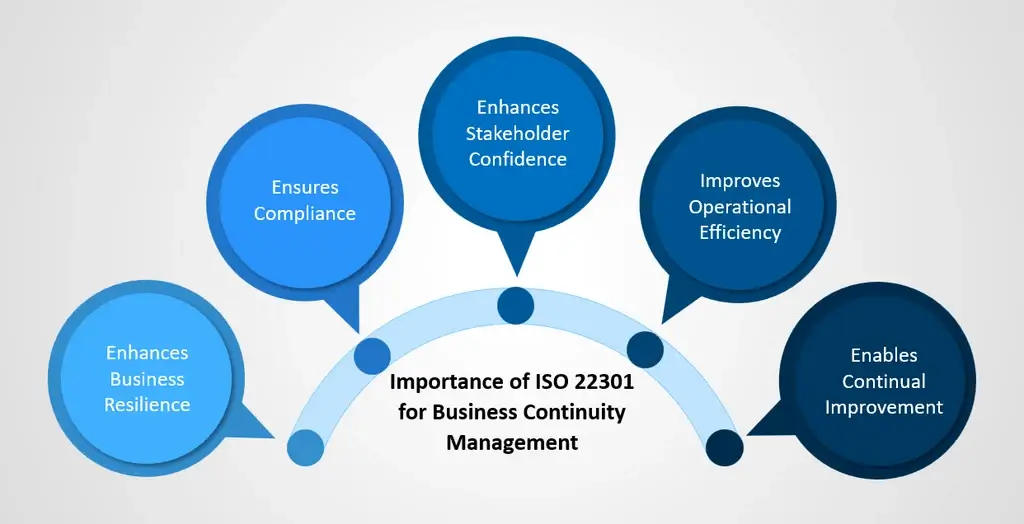
ISO 22301 is the international standard for business continuity management. In plain terms, it requires a business to think through what would happen if something critical broke down — and then document, test, and regularly update a plan to deal with it.
It isn’t a vague policy document or a box-ticking exercise. The standard covers the full picture:
- Which functions are critical — what must keep running no matter what
- How long you can afford downtime — and at what point the business is genuinely at risk
- What the recovery steps are — written down, assigned to specific people, and tested
- How the plan gets improved — because a plan written three years ago may not reflect how your business works today
The certification is awarded by an accredited third-party body after an audit confirms all of this is genuinely in place — not just promised.
Why This Matters Specifically in Dar es Salaam
Tanzania’s business environment has specific pressures that make continuity planning more urgent than businesses in more stable markets might face.
Infrastructure Interruptions Are Frequent
Load shedding, water supply issues, and road flooding during the long rains are not rare events — they’re routine. A business that has no documented procedure for operating through a two-day power outage is taking on avoidable risk every single year.
Supplier Chains Are Longer and Less Predictable
Many Dar es Salaam businesses depend on imported goods, international freight, or regional supply chains that cross multiple borders. Any one of those links breaking — port delays, clearance holds, currency issues — can stall operations for weeks.
International Clients and Contracts Increasingly Demand It
This is the part many Tanzanian business owners don’t anticipate until they’re already in a tender process. Banks, logistics companies, multinationals, and public sector organisations contracting across East Africa regularly ask for evidence of formal business continuity management Dar es Salaam before they will sign. Without ISO 22301 certification, the business doesn’t make it past the prequalification stage.
Cyber Incidents Are Rising
This is not a problem limited to large corporations. Small and mid-sized businesses in Tanzania have been targeted, and without a tested recovery plan, a ransomware attack or data loss can mean weeks of downtime.
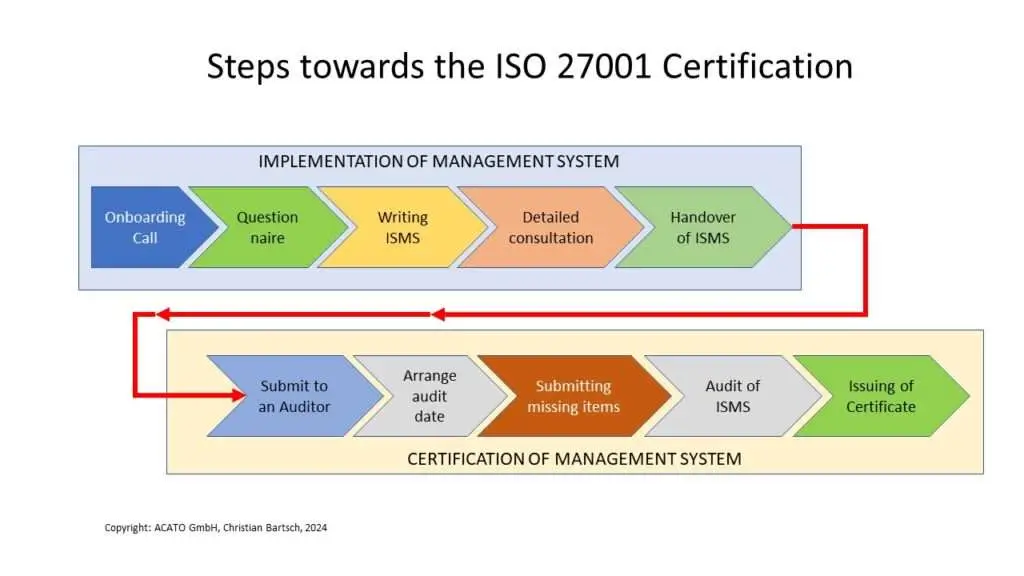
What the Certification Process Looks Like
ISO 22301 certification Tanzania is not a one-day process, but it is a manageable one with the right support.
1. Gap Analysis
The starting point is understanding where your current practices fall short of what the standard requires. Most businesses discover they already have informal continuity measures in place — this stage identifies what needs to be formalised.
2. Business Impact Analysis
This is where the real thinking happens. Which functions are critical? If your accounts system went down for 48 hours, what would break? If a key person left tomorrow, who covers what? The answers to these questions shape everything else.
3. Plan Development
The business continuity plan is built around the findings of the impact analysis. It covers people, premises, technology, suppliers, and communications — and it names who is responsible for what when things go wrong.
4. Testing and Exercises
A plan that has never been tested is not reliable. ISO 22301 requires organisations to run exercises — simulated scenarios that check whether the plan actually works before a real disruption forces the issue.
5. Internal Audit and Certification Audit
Once the system is in place and tested, an internal audit checks readiness. The external certification audit follows, conducted by an accredited certification body.
Informal Recovery vs ISO 22301 Certified Continuity
Here is how the same disruptions usually play out with and without a certified continuity system in place.
| Situation | Without a Formal Plan | With ISO 22301 Certification |
|---|---|---|
| Two-day power outage | Staff wait for instructions while work piles up | Backup power and manual workarounds are already agreed and assigned |
| Supplier or port delay | Orders stall until someone finds another source | Alternative suppliers and stock levels are identified in advance |
| Key staff member leaves | Knowledge walks out with them | Roles have named deputies and documented procedures |
| Ransomware or data loss | Weeks of downtime and guesswork | Tested backups and a recovery order everyone knows |
| International tender | Often fails prequalification | Certificate is accepted as evidence of resilience |
| Keeping the plan current | Rarely reviewed after it is written | Reviewed through internal audits and yearly surveillance audits |
The Business Case — Beyond the Certificate
The certificate matters. But the value businesses in Dar es Salaam report most isn’t the piece of paper — it’s the clarity that comes from doing the work.
Knowing exactly which operations are critical. Having a team that understands the recovery procedures rather than waiting for someone to make decisions in a panic. Recovering from disruptions in days rather than weeks. Winning tenders that were previously out of reach because the business couldn’t demonstrate formal resilience.
For businesses growing into regional or international markets, ISO certification Dar es Salaam — across any standard — is increasingly a commercial requirement rather than an optional upgrade.
How AceQu Can Help
AceQu supports businesses across Tanzania through the full ISO certification process — including ISO 22301. The team brings direct experience of the local operating environment and works with organisations across multiple sectors to close the gap between how a business currently operates and what the standard requires.
If you are preparing for an international tender, responding to client requirements, or simply want to make your operations more resilient, AceQu is a practical starting point.
Is Your Business Ready for the Next Disruption?
Talk to AceQu about ISO 22301 certification in Dar es Salaam. We’ll look at how your business runs today, show you where the gaps are, and help you build a continuity plan your team can actually use.
Get in Touch with AceQu