
The Power of a QMS System: Driving Quality and Growth in Africa
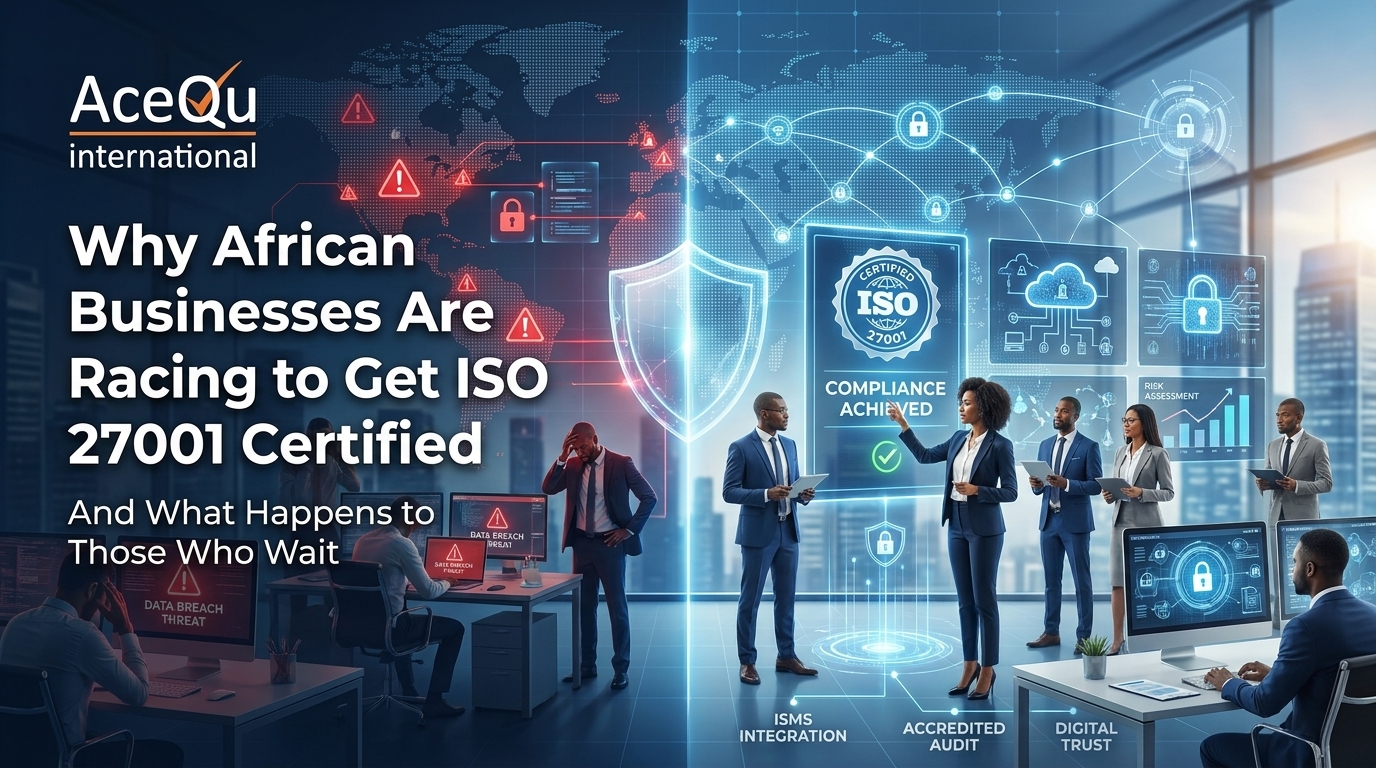
The rapid change in the African business system is because of globalisation and an emphasis on quality. A strong Quality Management System (QMS) has now become necessary for businesses that want to stay longer and get more trust. A QMS system makes it possible for a business to be efficient and excellent as well as consistent. A well-implemented QMS system can change things, concentrating on how important it is for the continent’s growth and the actions that need to be taken to get ISO certification in Nakuru and other important regional hubs.
Why a QMS System Is Necessary for African Businesses
The QMS system is a set of rules and policies for making plans and carrying them out. Based on ISO 9001. Adopting this system has many advantages for African firms as it is a way to gain competitive edge on a worldwide scale. Following international quality standards develops trust and gives businesses access to profitable foreign markets, which is important for industries like agriculture and manufacturing.
This system makes the business operations more efficient and helps them save money. Standardising procedures, finding bottlenecks, and implementing the process of continuous improvement help reduce operational costs. This in turn leads to higher profits and a stronger competitive edge. A QMS system promotes a culture of of quality focused that is complementary for organisation’s fast and long-term growth as well as efficiency
Getting ISO Certification in Regional Hubs
Implementing a QMS in Eldoret or Nakuru is a strategic move for industries. It’s smart for firms here to use a QMS Eldoret or QMS Nakuru. For instance, agricultural exporters need accredited processes to meet the norms for imports in other countries. Nakuru’s service and manufacturing businesses use quality systems to differentiate themselves.
Getting ISO certification in Nakuru requires following a set process that includes gap analysis, documentation, implementation, an internal audit, and a final external audit by a certified entity. This focuses on quality in a specific area, whether through a QMS Eldoret or QMS Nakuru programme. makes sure that enterprises in that area can meet global standards.
Understanding the ISO Certification Cost
| Factor | Description | Impact on Cost |
|---|---|---|
| Size and Complexity | Number of employees and the complexity of the organisation’s processes. | Higher complexity increases cost. |
| Scope of Certification | The number of sites and business units included in the QMS. | Wider scope increases cost. |
| Consultancy Fees | The cost of hiring an expert to guide the implementation process. | Varies widely based on consultant experience and location. |
| Certification Body Fees | The cost of the final external audit and annual surveillance audits. | Varies based on the chosen accredited body. |
| Current Readiness | How close the existing systems are to meeting the ISO standard requirements. | Lower readiness increases the initial implementation cost. |
It is not possible to supply an exact number without a full evaluation, but initial estimates for ISO certification cost in Kenya might vary widely. However, the return on investment frequently rapidly overcomes the initial cost because it lowers operational expenses, makes customers happier, and opens up new markets.
QMS System: Base of Your Business’s Success
This article clearly explains the benefits of opting a QMS system, the strategic value of localised projects like QMS Eldoret and QMS Nakuru, and the things that affect the ISO certification cost. Quality is the key to long-term growth in the African market. African companies must opt for a QMS system for the well-being of their businesses. The focus on quality lowers risk, increases efficiency, and opens access in places like Eldoret and Nakuru, which are commercial centres and regional hubs.
Are you ready to take your business to the next level with a world-class QMS system? Call Acequ immediately if you need help with QMS Eldoret implementation or want a comprehensive breakdown of the cost of your ISO certification. We can help you get ISO certification in Nakuru and other places. Let us help you on your way to operational excellence and getting a competitive edge in the African market.
FAQ’s
What should a small business in Nakuru do first to set up a QMS system?
The first thing you need to do is compare your current situation to the ISO 9001 standard. This assessment will clearly identify which current processes meet the requirements and which ones require improvement. This will make it easier to deploy the whole QMS system.
How long does it take to obtain ISO certification in Nakuru?
It usually takes between 6 and 12 months to get ISO certification in Nakuru. The size of the business, how complicated its operations are, and how committed its management and personnel are to the implementation process all play a big role in this.
What things have the biggest effect on the entire cost of ISO certification?
The most important factors that affect ISO certification cost are the size and complexity of the organisation, the scope of the certification (how many sites or departments are included), and the fees imposed by the chosen consultant and the final certifying body.
Is ISO 9001 the sole standard that organisations looking for QMS Eldoret should follow?
ISO 9001 is the most prevalent standard for a general QMS system, but firms in certain fields in Eldoret may also benefit from other standards. For example, ISO 22000 (Food Safety) is good for agricultural enterprises, and ISO 45001 (Occupational Health and Safety) is beneficial for manufacturing. The decision depends on the business goals and the industry.